
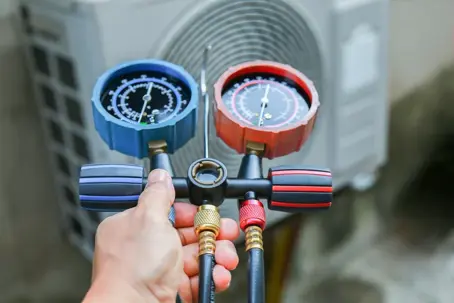
When it comes to keeping your home comfortable year-round, understanding how your heating and cooling systems work together is essential. At first glance, a heat pump and an air conditioner look almost identical, and both perform the exact same job during hot summer months. However, their underlying capabilities differ significantly once temperatures begin to drop, making reliable HVAC service in Bartlett, TN crucial for choosing and maintaining the right system for your home's year-round comfort.
How Cooling Works in Both Systems
During the summer, both heat pumps and traditional air conditioners operate on the exact same thermodynamic principles. Neither system actually "creates" cold air; instead, they absorb heat from inside your home and dump it outdoors.
During the cooling season, both systems rely on:
Indoor Evaporator Coils: Absorbing thermal energy and humidity from indoor air as it passes over the cold metal fins.
Compressors: Circulating pressurized refrigerant back and forth between the indoor and outdoor units.
Outdoor Condenser Coils: Releasing the extracted indoor heat into the outside atmosphere.
The Key Difference: The Reversing Valve
The fundamental difference between these two systems comes down to a single mechanical component: the reversing valve. While a standard air conditioner can only move heat in one direction—from inside your home to the outside—a heat pump can reverse its refrigeration cycle entirely.
Here is how that key mechanism changes your home heating options:
Traditional Air Conditioning Setup: An AC unit strictly handles cooling. When winter arrives, it relies entirely on a paired furnace or electric heat strip to generate warmth for your living spaces.
Heat Pump Setup: In cold weather, the reversing valve flips the flow of refrigerant. The system extracts heat energy from the cold outside air and pumps it directly into your home, providing highly efficient heating without burning fuel.
Choosing the Right System for Your Property
Deciding between a standard central air conditioner paired with a furnace or a high-efficiency heat pump depends on your energy goals, existing ductwork, and home layout.
Key considerations include:
Energy Efficiency: Heat pumps transfer heat rather than creating it, making them exceptionally energy-efficient during mild Tennessee winters.
Dual-Fuel Versatility: Heat pumps can be paired with a backup gas furnace to create a dual-fuel system that automatically selects the most cost-effective heating source as outdoor temperatures drop.
Operational Lifespan: Because heat pumps run year-round for both heating and cooling, they require consistent, proactive maintenance to ensure long-term durability.
Expert Mechanical Diagnostics for Total Comfort
At Air Tech, we bring over four decades of commercial mechanical experience directly to your residential heating and cooling equipment. We do not make generic recommendations or push one-size-fits-all installations.
Our comprehensive system evaluation process includes:
Total Load Calculations: Sizing your equipment accurately based on your home's square footage, insulation levels, and window exposure.
Ductwork Capacity Testing: Ensuring your duct system can handle the precise airflow requirements of modern heat pumps or high-efficiency AC units.
Sealed System & Electrical Inspections: Testing compressors, reversing valves, and electrical connections to guarantee reliable performance in every season.
Upgrade or Restore Your Climate Control Today
Whether you are looking to replace an aging cooling unit with a versatile heat pump or need expert repairs on your current system, having a trusted partner makes all the difference. Taking time to properly evaluate your heating and cooling needs saves energy and prevents unexpected mid-season breakdowns. Contact our experienced field technicians today at (901) 446-0222 to schedule a consultation and keep your home comfortable in every season.